P Pelagia River Notes Damietta · Est. 2018

Independent · Editorially funded · No agency commissions

A field journal for travellers who want the boat right, not the deal cheapest.

For seven seasons our editors have boarded every category of Nile cruise vessel — from the four-cabin restored dahabiya to the 80-cabin five-deck steamer — and filed plain-language reports on cabins, food, captains, swimming-pool depths, shore-call quality and what every stop actually delivers between October and April.

What we are

An editorial publication, not a booking agency.

Pelagia is read by travellers planning their first Nile cruise and by experienced river travellers comparing two specific boats. We do not sell cabins, do not receive commissions, do not run an affiliate programme, and do not accept hosted reviews. Every vessel we describe was boarded and slept on by an editor in the past three seasons. Our sole income source is the optional reader subscription detailed on the pricing page.

The journal was founded in April 2018 by Mahmoud Daghestani, a former marine surveyor from Damietta who spent fifteen years inspecting cargo vessels along the Suez Canal before realising that the cruise market upstream had no comparable independent voice. The first thirty issues were photocopied and circulated by hand around Cairo bookshops; the current edition reaches roughly nine thousand reader email accounts each month.

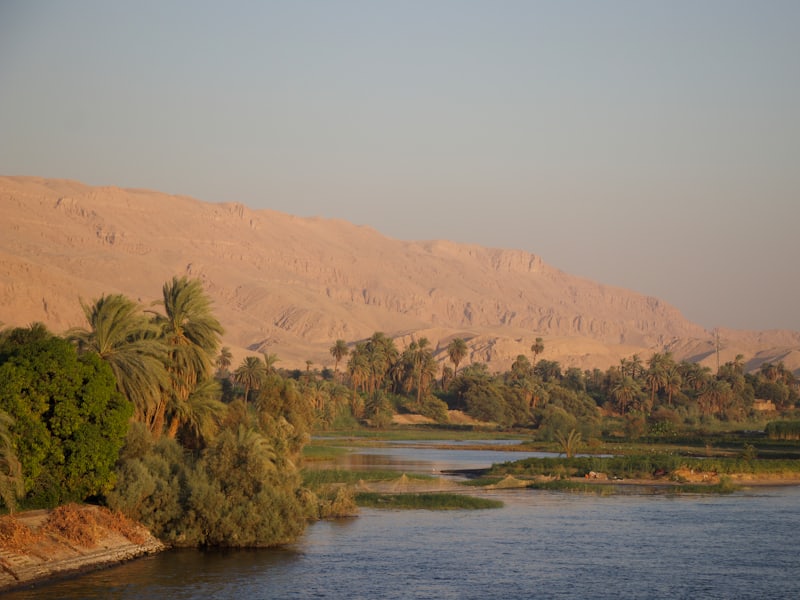
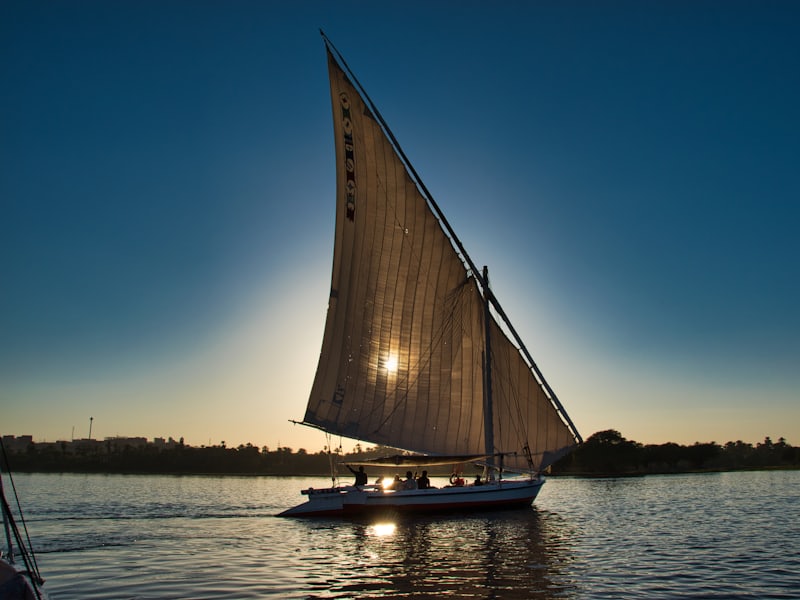
Traditional dahabiya at moor near Esna lock
Vessel review

Dahabiya class — the slow-sail option

Six to ten cabins, no engine while sailing, four-to-seven night itineraries between Esna and Aswan. We rate the fleet by deck space, cabin acoustics and the captain's experience with the prevailing wind.

Compare classes →
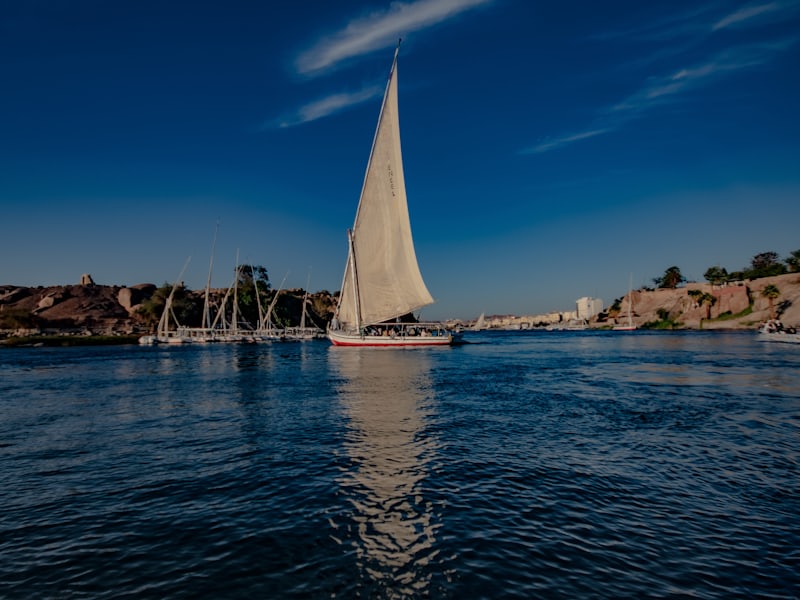
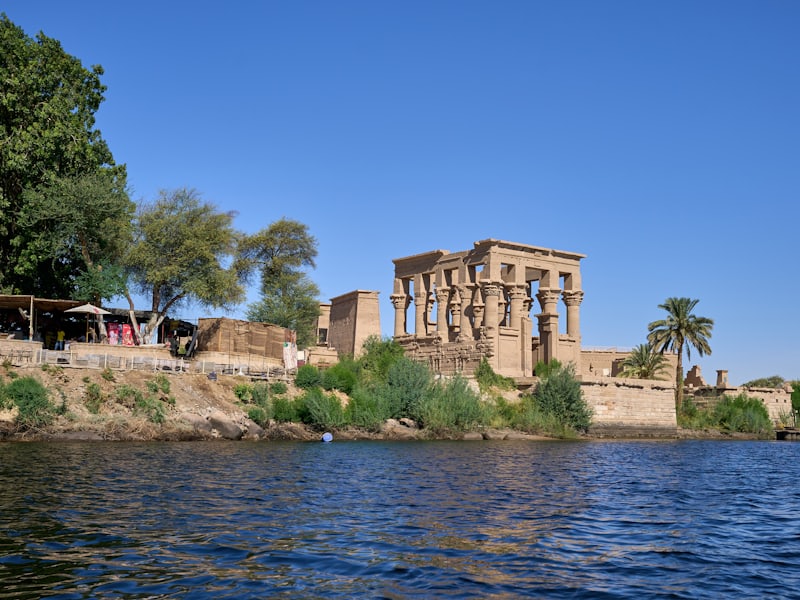
Five-deck Nile cruiser at Luxor west bank
Vessel review

Five-deck cruiser — the conventional option

Forty to ninety cabins, full air conditioning, pool deck and structured shore programme. We list which vessels run reliable Egyptologist lectures and which substitute jewellery presentations.

Read the briefing →
View from cruise deck toward Edfu temple landing
Itinerary

Edfu & Kom Ombo — what the stops deliver

Two of the four standard shore calls on the Luxor–Aswan run. We describe walking distances, official guide quality and the typical caleche-ride controversy at Edfu landing.

Stop-by-stop notes →

How we work

Four passes per boat before a single line is published.

Every vessel review goes through four independent visits across at least two seasons before it appears in the journal. The first pass is unannounced; the second is announced to test how the operator behaves when observed. The third happens with a different editor to remove personal bias. The fourth, conducted by Mahmoud, focuses on the captain's logbook, engine maintenance records and crew-rotation roster.

01

Anonymous boarding

An editor books through a public channel, pays the standard fare, sleeps in an ordinary cabin and writes the cabin notes that evening. No press treatment, no upgrades, no free meals.

02

Announced re-board

The same editor returns with credentials, requests access to the kitchen and engine room and observes how the crew responds. Vessels that decline access are noted in the published review.

03

Cross-editor visit

A second editor sails the same route on the same boat in a different season. Discrepancies are reconciled before publication. Roughly one in six boats fails this step and re-enters the queue.

04

Captain interview

Mahmoud conducts a structured ninety-minute interview with the captain — career path, vessel history, maintenance schedule. Refusal to be interviewed is publishable and is published.

Why a slow river journal exists

Because the Nile cruise market is structurally opaque.

Roughly three hundred vessels currently work the Luxor–Aswan corridor, plus around sixty dahabiyas and a separate Lake Nasser fleet of four ships. The market is consolidated around a small number of holding companies that re-brand the same hulls under different trade names depending on the source country of bookings. A boat marketed as the MS Nile Star in one travel brochure may appear as the Sunset Bridge in another with no visible change to crew or cabins.

For the traveller, this means review sites are saturated with overlapping aliases of the same vessel, and the average reader has no way to triangulate which review describes the cabin they would actually sleep in. Pelagia anchors its reviews against the hull number and the captain's name, which the operators cannot rebrand. Every boat in our gazetteer is searchable by either field.

The journal also makes no pretence of comprehensive coverage. We review the boats our readers ask us to review and the boats we judge structurally interesting. Roughly forty vessels are currently in our gazetteer; another thirty are in the queue. Cruise lines that have refused captain interviews are listed by name in the services index with the date of refusal.

Editor's notebook on the deck of a moving dahabiya at sunset
8
Seasons on the water
41
Vessels in gazetteer
9 200
Newsletter readers
0
Booking commissions taken

Reader questions, briefly

Frequently asked, briefly answered.

Can Pelagia book the cabin for me?

No. We are an editorial publication. We do not hold inventory, do not run a booking widget and do not earn commission from any operator. Once you have decided which vessel and which week, you book directly with the cruise line, with a travel agent of your choice, or via the booking desk at your hotel in Luxor.

Which class of boat should a first-time traveller pick?

It depends on what you came for. If the priority is the river itself, the dahabiya class is incomparable — silent, slow, intimate. If the priority is air conditioning, gym, pool and a wide sun deck, the five-deck cruiser is the practical answer. The boat-comparison briefing walks through the trade-offs in detail.

When is the best month to sail?

Late October through mid-March is the conventional season for a reason: daytime temperatures are tolerable for shore walks and the river level is stable. April and the first half of October are workable for travellers comfortable with thirty-five degree afternoons. The season-by-season breakdown details the trade-offs.

Is Lake Nasser worth the extra week?

For travellers already coming as far south as Aswan, the four-night Lake Nasser extension to Abu Simbel is among the most rewarding water passages anywhere in Africa — empty horizon, no other vessels for hours, four monumental temples impossible to reach by road on the same itinerary. Read our Lake Nasser extension briefing before deciding.

How is the journal funded if there are no commissions?

Three sources: optional reader subscriptions (about sixty-two percent of revenue in 2025), one annual underwriting grant from the Khaled Mosharrafa Foundation in Cairo (twenty-eight percent), and limited consultancy work for non-cruise maritime clients (ten percent). No tour operator, hotel or cruise line currently funds the journal. The full breakdown sits in the financial note on the about page.

Subscribe

One reader file per month. No spam, no upsell.

Pelagia publishes one bundled reader file per month — typically forty to sixty pages, indexed and cross-linked. The file goes out by email on the first Sunday of every month to subscribers and is searchable in the reader archive for the duration of the subscription year.

See subscription tiers Or just ask a question