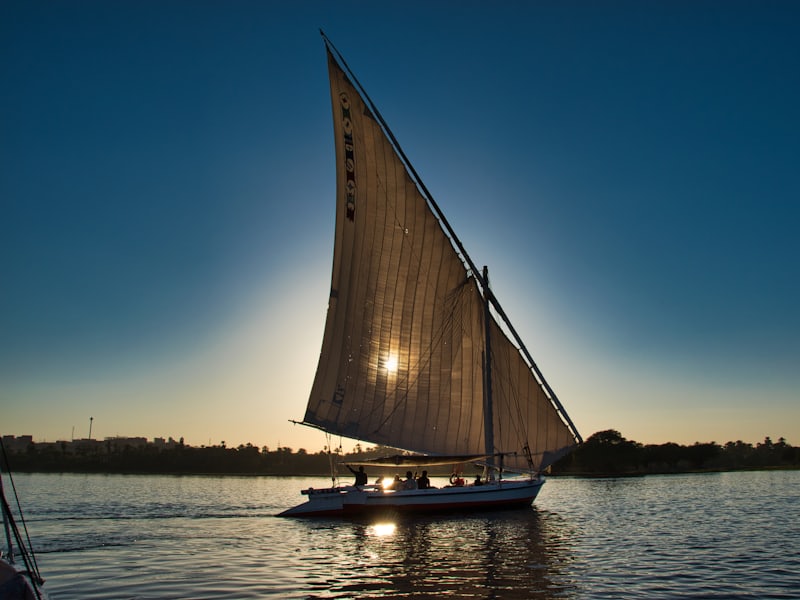
Briefing
Luxor → Aswan corridor
Two hundred kilometres of river divided into seven named reaches, with a guide to which reach to be on deck for at which time of day.
Read briefing →Catalogue
The catalogue is organised in five sections — vessel reviews, route briefings, the captain-interview series, the kitchen archive and the public methodology document. Subscribers can request any back-issue. Non-subscribers can read the briefing files on the public pages of this site and request a single sample monthly file at the contact form.
Section one
Each vessel review runs between three thousand and seven thousand words. The structure is identical across the fleet: registration history with hull number and aliases, ownership chain, the cabin-by-cabin layout including dimensions in metres and a dedicated note on the four cabins that we would not book again, the kitchen audit and provisioning notes from at least two dockside calls, the captain interview transcript, and a closing essay on what this particular boat does well and where it falls short. Vessels in the active gazetteer are republished at least once every two years; if a vessel changes captain or undergoes a major refit, the review is republished within ninety days.
Below is the public summary of the gazetteer's six structural categories. The full list of forty-one named vessels with their current trade aliases is available to subscribers; we do not publish it openly because rebranding-on-publication is a known operator response and we prefer that subscribers learn of changes first.
| Category | Vessels reviewed | Typical capacity | Standard route |
|---|---|---|---|
| Dahabiya — small sail | 11 | 6–10 cabins | Esna ↔ Aswan, 5–7 nights |
| Mid-deck cruiser | 13 | 28–48 cabins | Luxor ↔ Aswan, 4–7 nights |
| Five-deck classic | 9 | 52–80 cabins | Luxor ↔ Aswan, 4–7 nights |
| Luxury five-deck | 4 | 40–65 cabins | Luxor ↔ Aswan, 4–7 nights |
| Lake Nasser vessel | 3 | 30–60 cabins | Aswan ↔ Abu Simbel, 3–4 nights |
| Restored historic steamer | 1 | 14 cabins | Luxor ↔ Aswan, 6 nights |
The thirteen mid-deck cruisers form the largest category in the gazetteer because they are the largest category on the river and because reader demand is strongest for plain information on this segment — the brochures tend to be most generic here, the price spread is widest, and the gap between best and worst vessel in the category is, in our judgement, larger than in any other category. The dahabiya gazetteer is the journal's other heaviest reader request; the eleven vessels we have boarded are a near-complete coverage of the active sailing fleet, with three further hulls under restoration that we expect to review in the 2026–27 season.
Section two
Route briefings describe a corridor or a single shore stop in depth and are independent of any one vessel. They are intended for the reader who has already chosen a boat and now needs to understand what to expect at each stop, when to be on deck and when not, what shore guide to insist on and what to politely decline. The seven currently published briefings are:
Two hundred kilometres of river divided into seven named reaches, with a guide to which reach to be on deck for at which time of day.
Read briefing →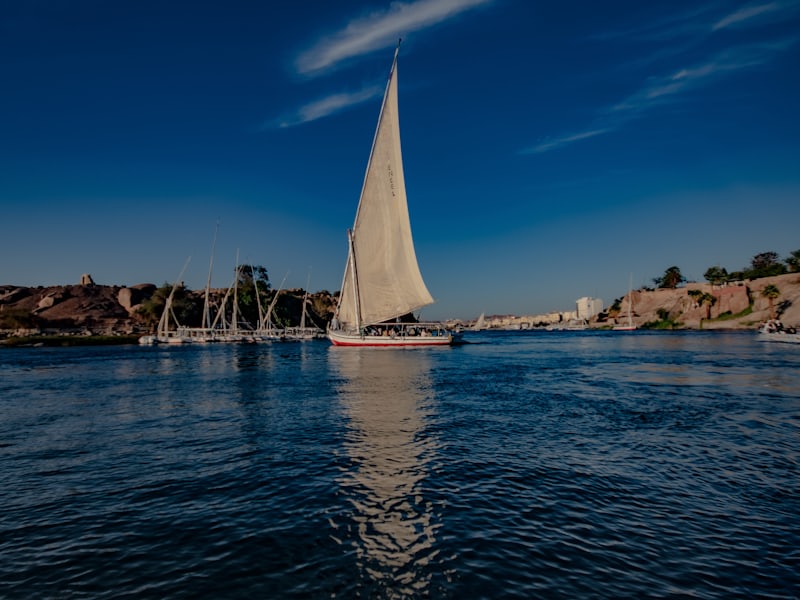
The structural trade-offs across nine criteria — quiet, food, shore access, social mix, swimming, accessibility, cost, season window and weather risk.
Read briefing →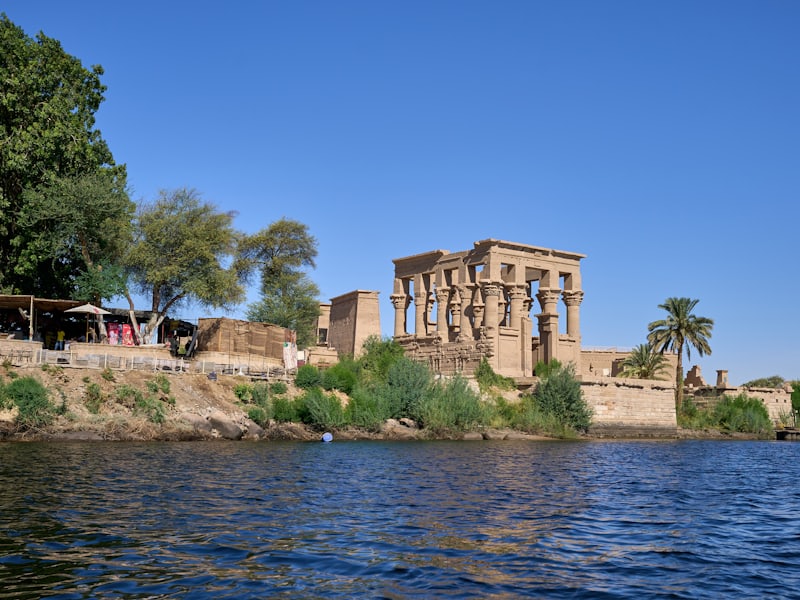
The two most contentious shore calls on the corridor — walking distance, caleche prices, official guide quality and the bazaars between dock and temple.
Read briefing →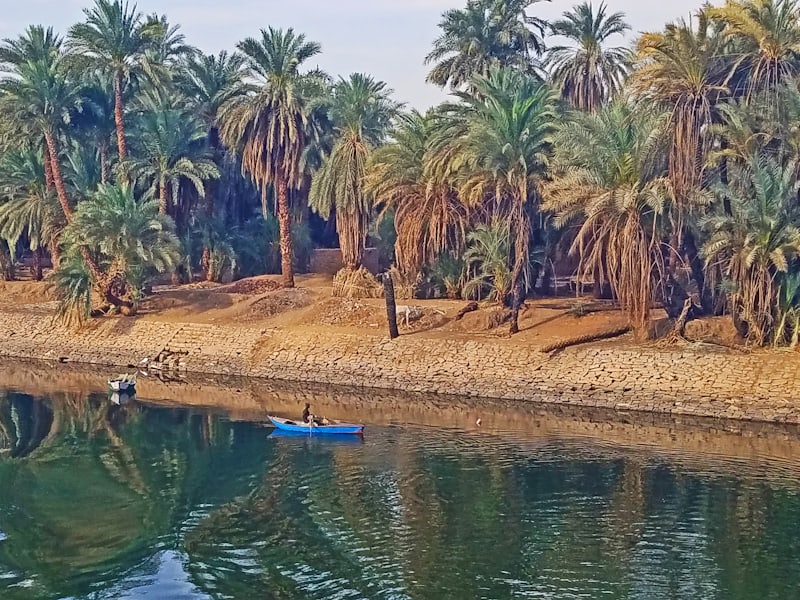
Why the four-night Aswan-to-Abu Simbel passage is worth the extra week and which three vessels currently work the route.
Read briefing →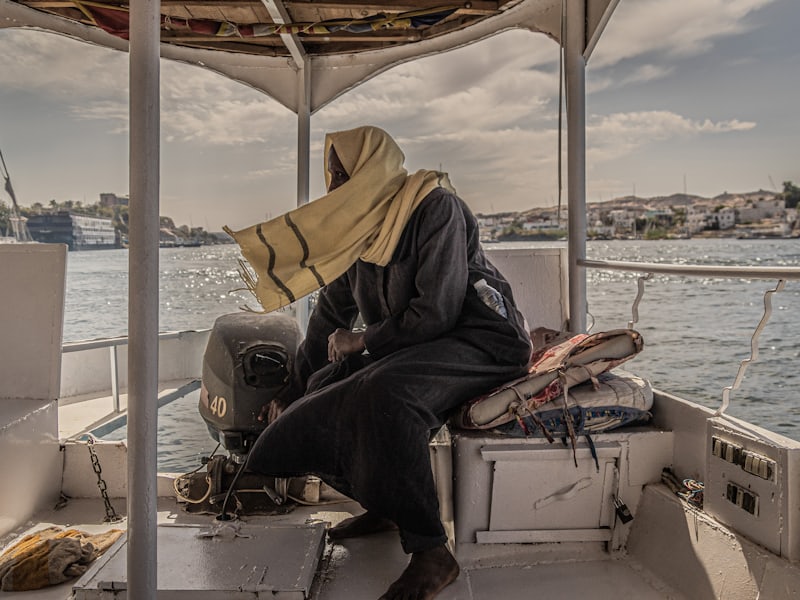
A precise plan for the day call at Abu Simbel from a Lake Nasser cruise — when to leave the cabin, where to stand for the sun alignment days, what the bus convoy alternative actually costs.
Read briefing →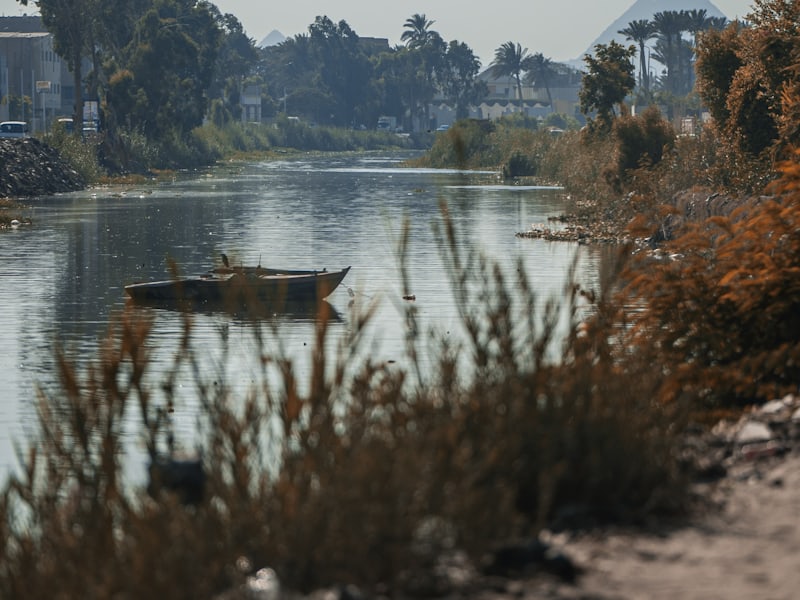
Month-by-month conditions: temperature ranges, river level, wind direction, crowding at the eight standard stops and the three weeks each season we would actively avoid.
Read briefing →The seventh briefing is the budget guide, which is in some respects the journal's most useful document: it sets out the realistic full cost of a Luxor–Aswan cruise across the three vessel categories — including the costs operators do not advertise (port fees, mandatory tips, optional shore upgrades, drinks packages and what they are actually worth) and the costs travellers consistently overestimate.
Section three
Since June 2019 the desk has published a formal captain interview in every monthly issue. Eighty-two interviews are on file. Each runs to approximately three thousand words, transcribed verbatim from a ninety-minute conversation, edited only for clarity and Arabic-to-English where required, with the captain's review of the transcript included. The interviews follow a structured arc — biographical opening, career as a deckhand and mate, decision to take command, longest period at sea, river-specific hazards (silt banks at Esna, southerly wind at Gebel Silsila, the lock approach below Esna dam), and a closing question on what they would change about the cruise industry if they could change one thing only.
Eight active captains have declined to be interviewed across the journal's eight years. We publish a list of those refusals with the date of refusal in the journal's annual transparency note each December. Three of the eight have subsequently agreed and have been interviewed; their interviews ran in the issues immediately after the change of position.
Section four
Hossam el-Sayyed maintains a separate archive of structured kitchen audits, one per vessel reviewed. The audit covers nineteen specific points — refrigeration temperature checks, cold-chain breaks during dock transfer, separation of raw and cooked storage, hand-wash facilities for kitchen staff, water source for ice production, oil reuse cycles, bread sourcing arrangements, vegetable rinsing protocol, and twelve further items most readers do not want to know about. Each audit is dated, signed and republished annually so that drift over time is visible.
The two best kitchens in the gazetteer score eighteen of nineteen; the median scores fifteen. Six vessels score below twelve, and we publish their names in the audit archive section. We do not publish the worst three names openly on this index page because the operators have been notified of specific failures with a remediation window of one season; if remediation does not occur by the start of season 2026–27, the names will be added to this paragraph in the September update.
Section five
The eleven-page methodology document is public, downloadable without a subscription, and revised every March. It sets out exactly how the desk reaches each judgement — what counts as an onboard night, how reviewers are rotated between vessels, how a captain interview is requested, what the editor does if the captain refuses, how the kitchen audit is scored, how an editor's conflict of interest is declared, what happens if a reviewer is offered an upgrade, and the appeals route an operator can use if they believe the desk has reported a fact in error.
Sixteen factual corrections have been issued in the journal's eight-year history. Each correction is published in the next monthly issue, on its own page, prominently labelled. The full correction archive sits at the back of the methodology document.
Yes. Send a note to [email protected] with the subject line "sample issue" and a postal address or email to which we can send a back-issue. We send a representative issue from twelve months earlier — current enough to be useful, old enough that the vessel positions described will have shifted. Limit is one sample per reader.
If you know the boat's current trade name, write to the desk; we will check the alias against the hull database and confirm whether that vessel is in our gazetteer, when it was last reviewed and which issue contains the current review. Most readers find this faster than searching online because the trade names rotate.
We accept reader letters and read every one. We do not publish reader reviews as factual reports because we cannot verify them; we do publish reader observations in the monthly reader-mail section, attributed by first name and country of origin only.
The reader archive remains accessible for the duration of the subscription year that was paid. After the lapse date the archive closes; the reader can re-subscribe at any time and the archive reopens with the new subscription's window of access.
No. The review queue is set by editor judgement and reader request. We have refused six paid-placement approaches in the journal's history. Each refusal is logged in the annual transparency note.
The print edition stopped in October 2021. Distribution costs and reader preference both pointed firmly toward electronic distribution. A small print run still goes to twelve Cairo bookshops as a courtesy and to a few subscribers who explicitly request it by post; this is at cost and outside the standard subscription.
The queue is set by three weighted inputs. The largest weight is reader request — vessels named in three or more reader letters within a single quarter move to the top of the queue. The second is structural significance — a vessel undergoing a refit or changing operator usually gets re-reviewed within ninety days regardless of reader request, because the older review is no longer accurate. The third is editorial curiosity — Mahmoud's reserved slot in the queue each quarter for a vessel he finds particularly interesting, often a smaller hull that would otherwise not be reviewed for years. The full queue is published in the December transparency note.
Nineteen scored criteria across refrigeration, cold-chain integrity, hand-wash facilities, ice production, oil rotation, vegetable sanitation, raw-cooked separation, water-source documentation, garbage handling and twelve further items. Hossam el-Sayyed runs the audit personally on every vessel. The score is published in the vessel review and updated annually. The audit form itself is a four-page document available to subscribers on request; we publish it as a methodology appendix every March.
No vessel is refused review. Three have been removed from the active queue because they have changed flag-of-registration to a non-Egyptian flag while still operating the Nile corridor, which raises legal-jurisdiction questions the desk does not have capacity to investigate in depth. Their names are noted in the December transparency note. Each may re-enter the queue if the registration question is resolved.
Not in the sense of corporate sponsorship — we do not accept funding from any cruise line, hotel, travel agency, river-tourism trade body or industry association, and the Mosharrafa Foundation grant terms forbid it. We do accept personal patron contributions above the institutional Captain tier — fixed at two hundred and fifty euros annually for individual patrons; this is logged in the annual transparency note and contributes around four percent of annual revenue. Patrons receive no editorial privilege; the contribution is acknowledged only by the patron's name appearing in the December contributors page if they consent.
Ready to subscribe?
The subscription page sets out the three reader tiers — Reader at €12 a year, Logbook at €38, Captain at €98 — what each tier includes, and how to subscribe. We do not auto-renew. You renew when you choose to.